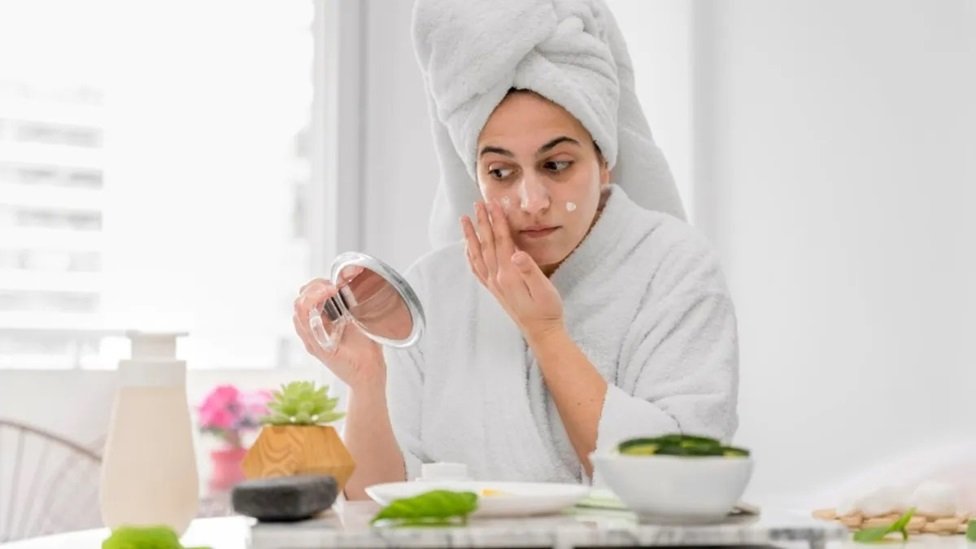
From glow to damage: How DIY skin care and cosmetic overuse affect your skin
Healthy skin does not come from constant experimentation. Yet today, more people are damaging their skin in the pursuit of quick fixes, viral beauty trends, and do-it-yourself treatments found online. What begins as self-care often turns into cosmetic abuse—one of the most common reasons dermatologists now see patients with long-term skin sensitivity and damage.
When “More” Becomes Harmful
According to Dr Ravali Yalamanchili, Sr. Consultant -Dermatology, Arete Hospitals, applying too many products at the same time, mixing strong ingredients, or constantly switching routines can strain the skin’s protective barrier. Actives such as retinoids, acids, vitamin C and exfoliants can be helpful when used properly, but without guidance, they often lead to redness, irritation, peeling and flare-ups instead of improvement. Skin needs balance and time to repair. Constantly pushing it only weakens its natural defences.
The Rise of DIY Skin Treatments
Home remedies such as lemon juice, baking soda, toothpaste, undiluted essential oils, or kitchen scrubs are still widely used despite repeated warnings. These substances are not designed for the skin and often disrupt its natural pH. Many patients present with burns, pigmentation, or persistent dryness after trying such remedies, believing that “natural” automatically means safe.
Social Media and the Instant-Result Trap
Social media often pushes quick fixes, leading many to follow skincare routines that may not suit their skin or environment. A product that works well for one person can easily irritate another. Skin needs time to adjust to any new treatment, and frequent changes disrupt this balance. Over time, this can result in ongoing sensitivity, rough texture, and breakouts that are harder to control.
Damage That Doesn’t Show Up Immediately
One of the biggest dangers of cosmetic abuse is delayed damage. Over-exfoliation or misuse of strong products may seem harmless initially, but can result in pigmentation, premature ageing, visible blood vessels, and long-term barrier damage. By the time symptoms appear, recovery can take months.
How to Protect Your Skin
Simple routines work best. Gentle cleansing, moisturising, sun protection, and a few well-chosen products are usually enough. New products should be introduced slowly, one at a time. Persistent acne, pigmentation, or sensitivity should be evaluated rather than masked with stronger products or home treatments.
The Takeaway
Skincare is meant to protect the skin, not stress it out. Following trends, taking shortcuts, or trying home fixes often ends up causing more damage than benefit. Healthy skin improves with steady habits, time, and the right medical advice—not repeated trial and error at home. When unsure, keeping things simple is usually the safest approach.
source:https://www.indiatvnews.com/lifestyle/beauty/from-glow-to-damage-how-diy-skin-care-and-cosmetic-overuse-affect-your-skin-2025-12-29-1023630