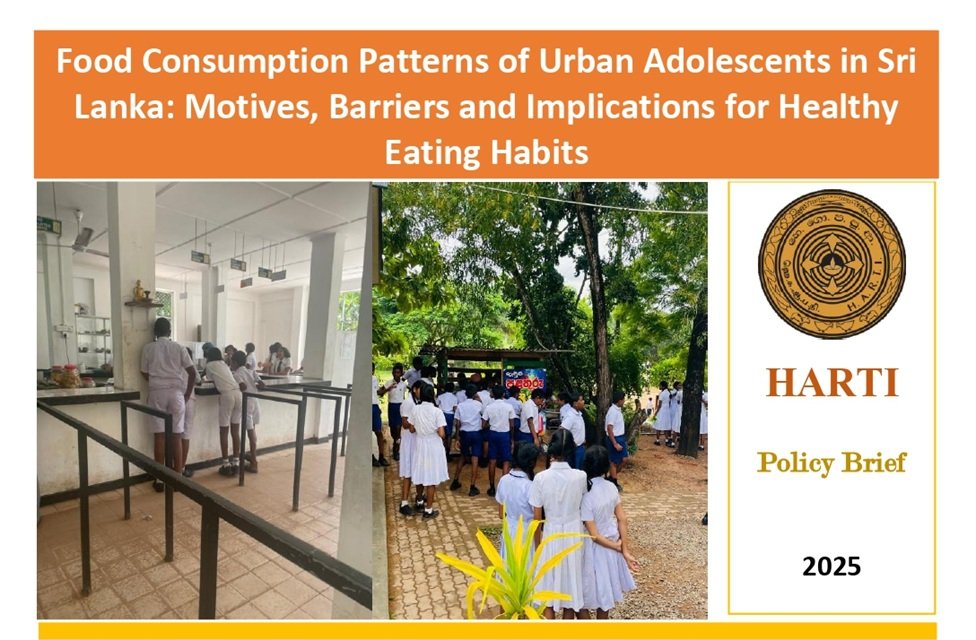
Food Consumption Patterns of Urban Adolescents in Sri Lanka: Motives, Barriers and Implications for Healthy Eating Habits
Background
Adolescence is a critical stage of life marked by rapid physical, psychological, and emotional development, during which adequate nutrition plays a vital role. In both developed and developing countries, adolescents’ dietary patterns have increasingly shifted away from traditional foods toward a higher consumption of processed foods that are rich in sugar, fat, and salt. Evidence shows that these dietary shifts are associated with a rising burden of non-communicable diseases (NCDs), including obesity, diabetes, and cardiovascular diseases, among young people. Understanding these changing dietary trends is essential for designing effective nutrition interventions and strengthening public health policies aimed at improving adolescent health and well-being. Policymakers and key stakeholders must recognize these patterns in order to develop targeted strategies that reduce the risk of diet-related health problems.
In Sri Lanka, despite several existing initiatives, the consumption of unhealthy foods among adolescents continues to increase, particularly in urban areas. Existing school canteen guidelines and other government-led efforts have not been sufficiently effective in addressing these challenges, highlighting the need for more comprehensive and focused interventions. Furthermore, there is a significant lack of in-depth research on the specific dietary practices, social influences, and structural barriers faced by adolescents in Sri Lanka. This study seeks to address this gap by working closely with students and school principals to assess the factors and constraints shaping adolescents’ food choices. Specifically, the study aims to investigate the food consumption behaviors and dietary patterns of adolescents in urban Sri Lanka by examining their consumption trends, identifying key influencing factors, and understanding the barriers and opportunities they experience. In addition, the study will explore appropriate strategies and policy options to promote healthier eating habits.
Methodology
This study employed a mixed-methods approach, combining both primary and secondary data, and utilizing qualitative and quantitative research techniques. The study targeted school going adolescents in the age group of 15–19 years (Grades 9–12). Data was collected from 463 students in both government and private schools by using structured questionnaires, across three urbanized districts: Colombo, Gampaha, and Kandy.Key InformantInterviews were conducted with school principals, teachers, canteen staff, regulatory officials, and parents to obtain deeper insights into adolescents’ food consumption patterns and the broader factors affecting their choices. A multistage random sampling method was used, selecting districts, educational zones, and schools. Descriptive analysis using cross-tabulation and a seven-day food diary to identify consumption patterns. A Likert scale assessed the influence of various factors on food choices, with responses categorized as “Agree/Strongly Agree” or “Disagree/Strongly Disagree.”
Findings
- The diet of students is heavily reliant on cereal-based foods, particularly rice, with low daily consumption of fruits, green leaves, vegetables, and pulses. While there is a notable increase in the consumption of junk foods, fast foods, and sugary beverages (Figure 1).
- Over 50% of students skip meals, especially breakfast, due to busy schedules and lack of interest.
- 80% of students snack daily, indicating that snacking is a common habit among adolescents with government school students opting for cheaper, less nutritious snacks.
- Government school students engage less in physical activities due to academic pressures, while private school students are more active (Figure 2).
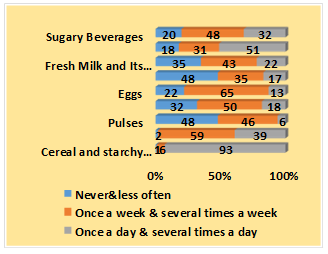
Figure 1: Weekly food Intake Frequency
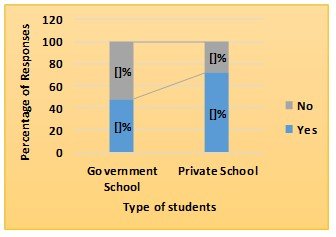
Figure 2: Physical Activity
Factors that influence food habits, preferences, and choices among urban adolescents
- Personal Attributes
Convenience, taste, emotional satisfaction, and limited nutritional knowledge heavily influence adolescents’ food habits, with health-conscious decisions playing a minor role.
- Influence of School Environment
There is low adherence to healthy eating initiatives, with moderate peer influence and resistance to fast food bans (81.2%). Canteen committees are often ineffective, and most schools lack formal nutrition awareness programs. Healthy food initiatives, like fruit juice bars, are sporadic, and government meal programs mainly serve primary students.
- Influence of Family Dietary Habits
| Statement | Percentage (%) | ||
| D/SD | NAD | A/SA | |
| Eat breakfast at home before going to school | 24.2 | 64.4 | 11.4 |
| Watch television/ screens while eating at home | 36.9 | 11.9 | 51.2 |
| Parents’ closely monitor what you eat | 9.5 | 65.0 | 25.5 |
| Parents are very health concerning | 4.3 | 77.1 | 18.6 |
| Have at least a meal at the dining table | 31.3 | 9.1 | 59.6 |
| Have takeaways often / Use ordered food often | 71.5 | 20.1 | 8.4 |
| Always dine out at restaurants with family | 64.8 | 27.0 | 8.2 |
| Plenty of Healthy food is available in the home environment | 10.8 | 57.7 | 31.5 |
Note: SA-Strongly Agreed, A-Agreed, NAD-Neither Agreed nor Disagreed, D-Disagreed, SD-Strongly Disagreed
Family dietary habits may lack consistency in promoting healthy eating behaviors, with a notable inclination towards convenience-oriented practices and limited active health monitoring by parents.
- Social Influence
Peer influence, particularly through popularity and social media trends, plays a significant role in shaping food habits among adolescents.
- Economic Factors
Cost plays a significant role, with 65.2% agreeing that it is an important factor. Additionally, 76.9% are aware of the prices of the foods they buy, indicating a strong awareness of economic considerations. Affordability is a key preference, with 61.8% choosing affordable dining options. These results highlight that economic factor are a major determinant of food choices for the respondents.
- Cultural and Religious Influences
Cultural and religious influences appear to be insignificant for a majority.
Awareness of Healthy Eating Habits
- Lack of understanding of diet-related health risks.
- Overall, the significant percentage of neutral responses suggests a lack of strong opinions or limited knowledge about the importance of healthy eating.
- There is some awareness of the benefits of healthy eating habits, the high percentage of neutral responses across all statements suggests limited knowledge or strong opinions on these issues.
Barriers to Healthy Eating Habits
- Barriers to healthy eating among students stem from structural, social, cultural, and individual challenges.
- Structural issues include gaps in educational and agricultural policies, the influence of fast-food chains, and urbanization-driven changes in preferences.
- Social and cultural factors, such as negative perceptions of traditional foods, stigma around locally grown ingredients, and competition from unhealthy food sellers, further complicate dietary behaviors.
- At the individual level, limited awareness programs and societal shifts, including urbanization and increased female workforce participation, contribute to a growing reliance on processed convenience foods.
Recommendations
Policy and Governance: Strengthen and enforce regulations to ensure healthier food environments
- Strengthen canteen regulations, mandating healthier food options and banning unhealthy items.
- Introduce government guidelines for school canteens on hygiene, food quality, and affordability.
- Limit marketing of unhealthy foods targeting adolescents.
Awareness and Education: Foster awareness of the benefits of healthy eating among students, parents, and community
- Launch creative nutrition awareness campaigns using creative methods such as posters, assemblies, dramas, and short films in collaboration with the Ministry of Health.
- Integrate nutrition education into the school curriculum.
- Conduct public health campaigns targeting adolescents and parents to emphasize the importance of balanced diets.
Food Availability and Accessibility: Increase access to affordable, nutritious food options in schools
- Establish milk bars, fruit juice centers, and traditional food stalls in school canteens in collaboration with the Ministry of Agriculture.
- Considering the high frequency of snack consumption, schools could promote healthier snack options to support students’ overall well-being. Practical strategies to encourage healthier habits such as making fruits and healthy snacks more accessible and fostering a supportive peer culture, may help bridge this gap.
- Ensure a balance between cost and quality to make healthy options economically viable for students and canteen owners.
- Implement a nutritious meal programme for upper-grade classes in selected schools.
Parental and Community Engagement: Align parental and community practices with school initiatives to sustain healthy eating habits.
- Work with parents to reduce junk food in lunchboxes and reinforce healthy eating at home.
- Use newsletters and informational brochures to educate parents on their role in promoting nutrition. Collaborate with local leaders and organizations to promote culturally appropriate dietary practices
Student-Centered Approaches: Empower students to take ownership of their dietary habits
- Gather student feedback on healthy food preferences and organize taste-testing events.
- Offer incentives for students who make healthier food choices
Addressing Social and Cultural Barriers: Shift perceptions around traditional and locally grown foods to make them more appealing
- Promote traditional, nutritious foods through school events and cultural programs to change perceptions of locally grown foods.
Structural Support: Build infrastructure and resources to support healthy food practices
- Provide funding for canteen upgrades to ensure hygiene and quality food preparation.
- Provide schools with resources to support healthy eating initiatives, including the development of school gardens where feasible.
Research Team:
Roshini Rambukwella, Ruvini Vidanapathirana, Duminda Priyadarshana, Raveena Udari,
Sangeeth Fernando, Jayamini Champika
Hector Kobbekaduwa Agrarian Research and Training Institute