HARTI Policy Brief 2025: Agritourism as a Sustainable Livelihood Development Practice in Sri Lanka
- Editor
- February 8, 2026
- News, Travel & Nature
- Travel & Nature
- 0 Comments
Background
Sri Lanka remains a predominantly agrarian nation, with many rural households relying on agriculture as their main source of income. However, the sector continues to face long-standing socio-economic challenges, including low and unstable earnings, seasonal underemployment, indebtedness, and limited opportunities for livelihood diversification. These constraints have increased the need for alternative income sources that can strengthen the economic resilience of farming communities. Agritourism linking agriculture with tourism has emerged internationally as an effective approach to enhance rural livelihoods by generating additional income, preserving cultural heritage, and expanding community based economic activities.
Sri Lanka’s tourism industry has shown strong post-pandemic recovery, earning over USD 1.5 billion in the first half of 2024. The country’s rich agricultural landscapes, biodiversity, and traditional farming systems provide substantial potential for agritourism. Despite this, the integration between agriculture and tourism remains limited. In contrast to countries such as Thailand, Malaysia, Indonesia, and India, where agritourism is widely practiced and supported by policy, Sri Lanka’s initiatives are often dominated by large private operators, with minimal involvement from smallholder farmers.
Increasing real farmer participation in agritourism presents a timely opportunity to boost rural incomes, promote sustainable tourism, and support community development. This study examines how agritourism can function as a sustainable livelihood development strategy in Sri Lanka.
Methodology
The study was conducted in the North Central, Central, and Southern provinces, selected for their strong tourism and agricultural significance. A mixed-method approach combining probability and non-probability sampling was used. Divisional Secretariats with high agritourism potential were chosen, and one community-based agritourism site from each DS served as the primary study location. Three surveys were administered: general farmers (170), agritourism farmers (209), and tourists (70), with farmer samples determined using Slovin’s Formula. Data were collected from May–November 2024. Key Informant Interviews, Focus Group Discussions, and local and international Case Studies supplemented the survey data to strengthen analysis.
Findings
Agritourism Potential – Five agritourism subcategories were identified under the community-based tourism (CBT) approach: paddy tourism, vegetable tourism, combined paddy–vegetable tourism, spice garden tourism, and cinnamon cultivation and processing tourism. These sectors show strong potential for clustering, especially given the global appeal of Sri Lanka’s spice and cinnamon industries. Notably, 70% of surveyed farmers expressed interest in diversifying into agritourism. Establishing integrated agritourism clusters that combine multiple sectors can enhance visitor experiences and optimize resource use, while community-based models can ensure equitable participation and benefit sharing.
Potential Benefits of Agritourism to the Farming Community – In all five sub-categories of agritourism, the majority of respondents (100%) identified additional income as the primary benefit. Job opportunities were a key advantage for 65% of participants. Meanwhile, 35% believed agritourism offered community engagement opportunities, 17% recognized its role in conserving traditional farming practices, and 11% viewed it as a way to increase awareness of farming activities.
Economic Impact – The monthly income from agritourism varies significantly across the five sub-categories. Paddy and Vegetable, Spice Garden, Vegetable, Paddy, and Cinnamon. The Cinnamon and Spice Garden sectors show the highest income potential. All participants in the Cinnamon sector earn above Rs. 100,000, with 50% earning more than Rs. 200,000. Similarly, 28% in the Spice Garden sector earn above Rs. 100,000, with 45% earning more than Rs. 200,000. Other sectors show a broader income distribution, indicating potential for growth. These differences highlight the economic advantage of high-value sectors like Cinnamon and Spice Garden, while paddy and vegetable-based tourism show moderate income potential, and require strategic development to improve profitability.
Community Participation and Empowerment – The analysis of agritourism in the study area reveals it is primarily family-driven, with family-owned businesses. There is no strong and efficient community-based approach. This highlights a strong tradition of individual family involvement in agritourism, the need for more efficient CBTs in the area. Community-based tourism is viable for these areas, Agritourism increases local employment opportunities, especially for women and youth, through hospitality, guiding, and handicraft production. Community-based agritourism initiatives strengthen social cohesion and promote rural heritage. Women represent only 20% of participants in agritourism projects, highlighting a gender disparity.
Tourist Preferences – According to survey data, farm tours are the most popular agritourism activity, with 93% of respondents involved. U-pick operations are offered by 41% of participants, while 39% provide farm stays or accommodation. Cooking demonstrations are offered by 56% of operators, and 73% serve meals at farm stays. Additionally, 25% provide multilingual tour guide services for diverse visitors. Visitors primarily seek authentic rural experiences, local cuisine, and educational activities like farming demonstrations. Tourists prefer hands-on agricultural experiences, such as harvesting or cooking traditional meals. Fifty percent of international tourists indicated interest in spice and cinnamon tours, 60% cited Sri Lanka’s spice and cinnamon sectors as key attractions, and 50% expressed interest in agritourism linked to traditional paddy and vegetable farming.
Infrastructure and Accessibility – Sixty percent of potential agritourism sites lack proper road access and visitor facilities. Only 30% of rural destinations meet the basic requirements for tourist comfort and safety.
Market Challenges – Forty percent of farmers involved in agritourism struggle with marketing their products directly to tourists. Twenty five percent of agritourism enterprises engage in selling value-added product sales, such as packaged spices.
Environmental Practices – Forty five percent reported issues with waste management and overuse of resources. Only 20% have adopted eco-friendly practices such as organic farming or renewable energy.
Policy and Regulation – Eighty percent identified the absence of a regulatory framework as a significant challenge. Less than 10% of government support programs specifically support agritourism.
Digital Marketing Gaps – Seventy-five percent of agritourism operators do not use digital platforms for promotion. Only 15% of tourists found agritourism sites online.
Training and Capacity Building – Only 15% of farmers in rural areas are actively engaged in agritourism initiatives. Eighty percent cited lack of awareness and training as barriers to participation. Eighty five percent of farmers reported needing training in tourism management and hospitality.
Tourists’ Awareness in Agritourism Sector of Sri Lanka
| Website | 36% |
| Hotels | 9% |
| Tour guide companies | 21% |
| Booking companies | 6% |
| Through previous visitors | 28% |
The sample data shows various sources through which tourists become aware of agro-tourism businesses. The majority (36%) learn through websites.
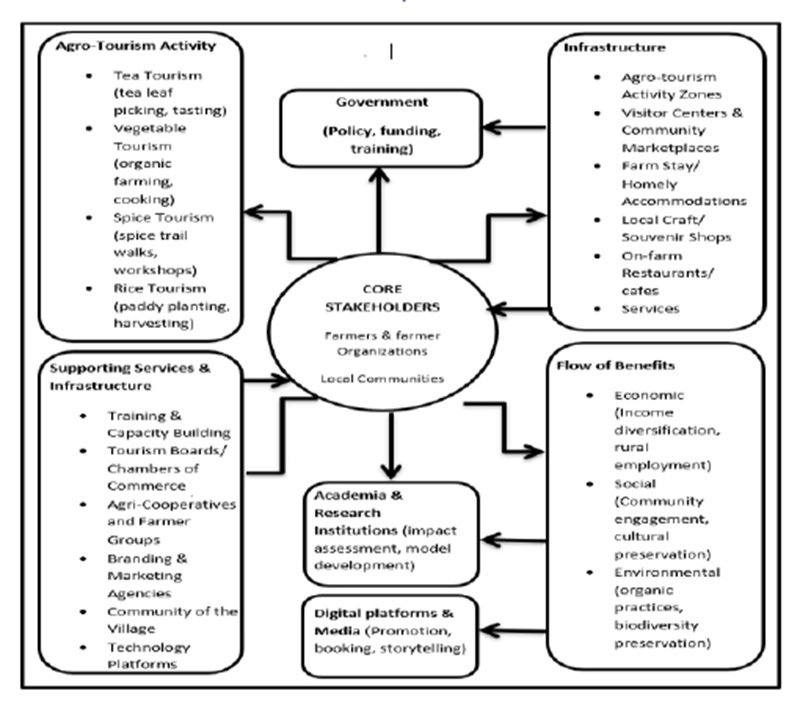
Figure 1: Sustainable Agritourism Network Model :
Main Challenges Faced by Farmers Engaged in Agritourism
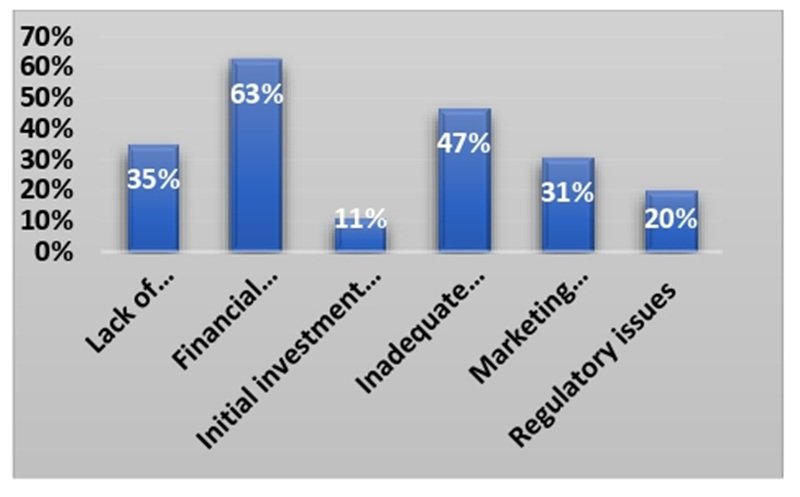
Expected Support from Stakeholders to Enhance the Business – Stakeholders are expected to support agritourism in Sri Lanka primarily through financial support (30%)., Other contributions include infrastructure development (24%), marketing and promotion (19%), and training and education (16%).
Sectoral Contributions – Distinct agritourism sectors, such as paddy and tourism, spice and tourism, and vegetable and tourism, show varying economic and cultural appeal to tourists. Spice and cinnamon-related tourism has the highest potential for export-oriented product development and value addition.
Agritourism Network Model – These findings align with the Sustainable Agritourism Network Model (SANM) (Figure 1), emphasizing the need for coordinated stakeholder action, infrastructure development, digital integration, and inclusive community participation to realize full potential of agritourism in Sri Lanka.
Recommendations
Potentials – Agritourism subsectors such as paddy, vegetable, spice, and cinnamon tourism show strong potential for clustering. Create integrated agritourism clusters, implement community-based models with direct farmer involvement, and establish agritourism marketplaces to connect tourists with local producers and ensure fair benefits for rural communities.
Develop Agritourism Policies and Guidelines – Form clear agritourism policies, provide tax incentives and subsidies, and ensure coordination between tourism, agriculture, and rural development authorities to promote sustainable sector growth.
Strengthen Infrastructure and Facilities – Improve rural transportation, connectivity, accommodation, sanitation, and develop visitor centers and signage to support agritourism activities.
Capacity Building and Training – Provide training for farmers and rural communities on community-based tourism, hospitality, and tourism skills. Increase awareness of cultural and economic benefits and encourage knowledge-sharing to replicate successful models.
Promote Public–Private Partnerships (PPP) – Encourage collaboration among government agencies, private investors, and local communities. Support cooperative models that allow farmers to share resources and profits.
Control Digital Marketing and Technology – Develop online platforms and mobile apps for promoting agritourism destinations. Use digital tools for bookings, reviews, and visitor feedback.
Diversify Agritourism Activities – Promote experiences such as paddy cultivation, vegetable harvesting, spice and cinnamon tours, cooking classes, and cultural/traditional activities in agritourism packages.
Focus on Sustainability and Environmental Conservation – Encourage eco-friendly practices like organic farming and proper waste management. Ensure developments align with environmental conservation goals.
Enhance Financial Support and Microcredit Facilities – Provide low-interest loans, grants, and insurance schemes to support small-scale agritourism entrepreneurs and reduce financial risks.
Build Stronger Networks and Partnerships – stablish local and international agritourism networks and collaborate with universities and research institutes to advance innovative agritourism models.
Priorities Strengthening Community-Based Tourism Structures – Insights from case studies highlight the need to integrate agriculture, culture, and community engagement, improve infrastructure, enhance digital access, and provide skill development in tourism management, branding, and languages. Tailored financial incentives and startup support can help communities adopt and expand sustainable agritourism.
Agritourism Rural Network Model – Policymakers are encouraged to adopt the Sustainable Agritourism Network Model (SANM) to integrate key stakeholders, infrastructure, and sector activities for coordinated and equitable rural tourism development.
Monitor and Evaluate Agritourism Initiatives -Establish monitoring frameworks to assess socio-economic and environmental impacts and use findings to improve long-term strategies.
Promote Sri Lankan Agritourism Globally – Brand Sri Lanka as a unique agritourism destination through targeted international campaigns featuring spice gardens, paddy fields, and other distinctive attractions.
Community-Based Tourism Benefits – Agritourism can generate employment for women and youth, strengthen social cohesion, and preserve rural heritage, making community-based tourism highly viable for these areas.
Research Team:
G.V. Norica Aiome, Sagarika Hitihamu, Uthpala Jayasinghe and Sangeeth Prasad Fernando
Hector Kobbekaduwa Agrarian Research and Training Institute, 114, Wijerama Mawatha, Colombo 07, Sri Lanka