Organic Fertilizer Use in Paddy Cultivation: Insights into Farmers’ Practices and Preferences
Background
Rice is the staple food of the Sri Lankan population and remains the country’s most important agricultural crop, occupying the largest share of the total cultivated land. For decades, conventional paddy farming systems in Sri Lanka have depended heavily on chemical fertilizers to achieve higher yields and meet growing food demand. Although this approach has contributed to increased production, it has also resulted in serious negative consequences for soil health, water quality, biodiversity, and human well-being. Excessive use of synthetic fertilizers has been linked to soil degradation, nutrient imbalances, groundwater contamination, and long-term risks to farming communities and consumers. In response to these growing concerns, Sri Lanka has begun promoting integrated nutrient management systems, with particular emphasis on the incorporation of organic fertilizers as a sustainable alternative. These practices are expected to improve soil fertility, enhance microbial activity, and reduce environmental pollution while maintaining stable crop yields. However, the actual adoption of organic and integrated nutrient management practices among paddy farmers remains relatively low due to constraints such as limited knowledge, lack of access to quality organic inputs, labor requirements, and economic uncertainties. Therefore, the present study aimed to assess the current status of farmers’ use of organic fertilizers in paddy cultivation, to evaluate their level of awareness regarding the importance of integrating organic fertilizers with conventional practices, and to identify their preferred types and methods of organic fertilizer application.
Study Method
The study was conducted in 2024 by the Hector Kobbekaduwa Agrarian Research and Training Institute (HARTI). Primary data were collected from 428 paddy farmers across nine districts: Anuradhapura, Kurunegala, Ampara, Polonnaruwa, Trincomalee, Gampaha, Galle, Vavuniya, and Badulla, which represent the major paddy-cultivating regions in Sri Lanka. Additionally, Key Informant Interviews (KIIs) and Focus Group Discussions (FGDs) were conducted to gather supplementary data and insights. The study included farmers who use only inorganic fertilizers and those who use both organic and inorganic fertilizers to gain a better understanding of their preferences for organic fertilization practices.
Key Findings
Farmers’ Adaption to Organic Fertilizer Application Practices
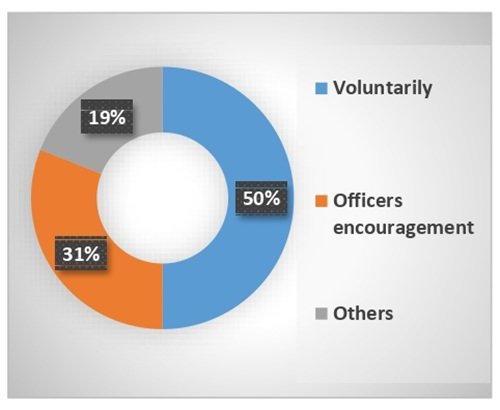
Figure 1: Motivation for Farmers’ Adaption to Organic Fertilizer Application
The majority of farmers (50%) adopted organic fertilizers for paddy farming voluntarily, driven by personal interest, highlighting the importance of self-motivation in adopting such practices. Additionally, encouragement from agricultural officers motivated 31% of farmers to use organic fertilizers.
Main Types of Organic Fertilizers Applied
The majority of farmers used compost (47%) as their primary organic fertilizer, followed by liquid fertilizers (13%), poultry manure (10%), pellets (10%), burned paddy husks (8%), cow dung (6%), and green leaves (5%). Only 1% utilized biofilm fertilizers, indicating that most farmers continue to rely on traditional forms of organic fertilizers.
Determinants of Organic Fertilizer Rates
The majority of farmers (76%) determined the application rates of organic fertilizers on their own, often without proper knowledge, applying whatever quantity was available. Among the rest, 16% followed guidance from agricultural officers, 5% adhered to instructions from fertilizer companies, and only 3% utilized knowledge gained from training programs.
Self-production of Organic Fertilizers
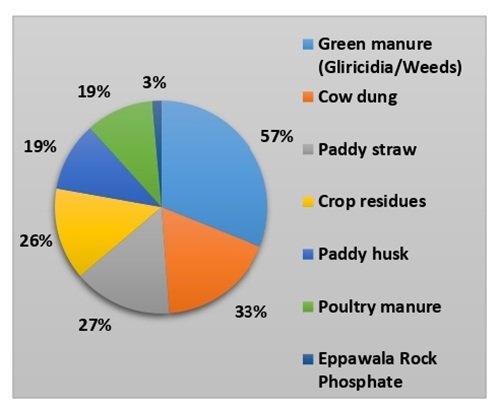
Figure 2: Raw Materials Used for Organic Fertilizer Production
A total of 47% of the farmers engaged in the production of organic fertilizer. The majority of farmers used green manure, followed by cow dung, paddy straw, crop residues, paddy husks, and poultry manure, relying entirely on locally available materials. However, they encountered various challenges in producing organic fertilizers.
Issues in Production of Organic Fertilizers
The main challenge in organic fertilizer production for most farmers (83%) is sourcing raw materials. Other issues include a lack of knowledge about production techniques (27%), insufficient space for large-scale production (11%), and the low quality of the fertilizer produced (11%).
Issues in Application of Organic Fertilizers in Paddy Cultivations
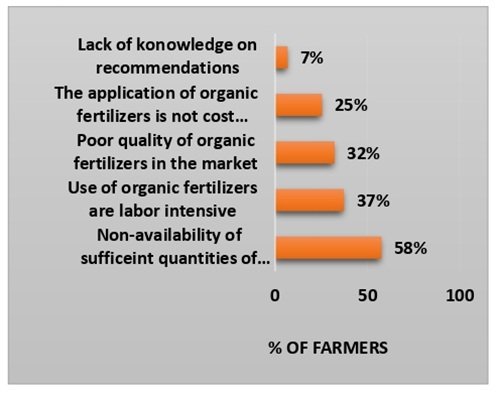
Figure 3: Issues in Applying Organic Fertilizers
The unavailability of sufficient organic fertilizers in the market is a major challenge for most paddy farmers (58%). Conventional organic fertilizers like compost, cow dung, and poultry manure require substantial labor, particularly on large-scale paddy lands (37%). Additionally, the poor quality of available fertilizers often leads to suboptimal results (32%), with some farmers reporting that the use of organic fertilizers is not cost-effective and fails to deliver expected benefits (25%). Farmers also face challenges in using organic fertilizers due to a lack of knowledge regarding the appropriate application rates (7%).
Farmers Preferences for Organic Fertilizers Application Practices
The sample paddy farmers were asked if they were willing to transition to eco-friendly fertilizer application practices in paddy cultivation, particularly incorporating organic fertilizers. They were asked to identify their most preferred options for such practices.
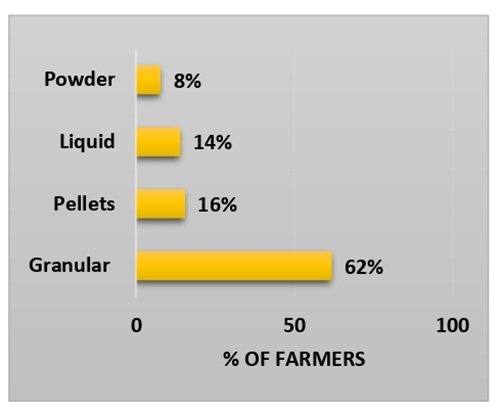
Figure 4: Farmers’ Preference for Mode of Organic Fertilizers
The paddy farmers’ most preferred mode of organic fertilizer was the granule type (32%), followed by pellets, liquid, and powder. The ease of handling and application of granular fertilizers was the primary reason for their preference. Overall, 86% preferred solid organic fertilizers.
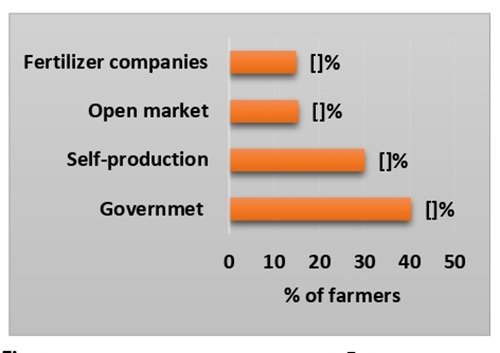
Figure 5: Farmers’ Preference for Source of Organic Fertilizers
Majority of farmers’ preferred choice for organic fertilizers is from the government (40%), particularly certified types, with 97% favoring certified organic fertilizers. Despite the negative experiences with government-provided organic fertilizers during the 2021 chemical fertilizer ban, farmers continue to trust and have confidence in government-supplied organic fertilizers. Overall, 70% of farmers are willing to source fertilizers from external sources rather than producing them themselves, as they face various challenges in self-production.
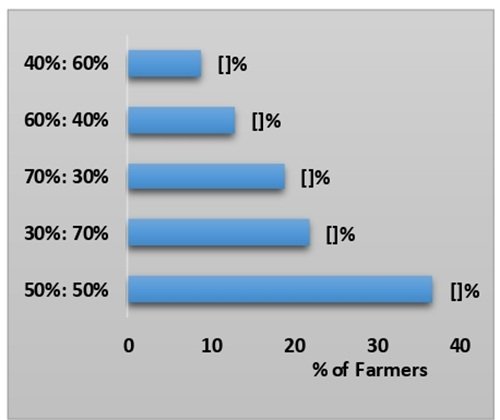
Figure 6: Farmers’ Preference for Inorganic: Organic Fertilizer Ratios
In the sample, 81% of farmers preferred applying more organic fertilizers than the government’s recommended ratio of 70:30 inorganic to organic fertilizers. Only 19% of farmers preferred adhering to the government’s ratio. The majority, 37%, favored a 50:50 ratio, with an additional 20% increase in organic fertilizer. The results suggest that farmers are increasingly willing to apply more organic fertilizers in paddy cultivation.
The majority of farmers preferred to spend between 5000 to 10000 rupees per acre on organic fertilizers. Overall, 64% of farmers were willing to spend more than 5000 rupees. This indicates that farmers are increasingly allocating significant portions of their budgets, traditionally used for inorganic fertilizers, toward organic fertilizer application.
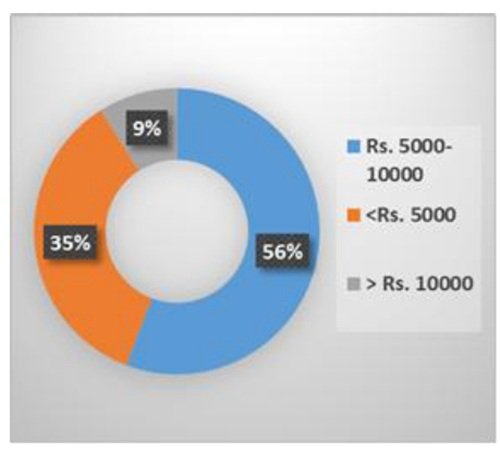
Figure 7: Farmers’ Preference for Cost of Organic Fertilizers per acre
Policy Recommendations
To promote organic fertilizer adoption in paddy cultivation, key strategies include training programs to improve farmer knowledge, and demonstration farms to showcase benefits. Encouraging the use of diverse materials like green manure, crop residues, and organic waste can boost production. Establishing regional community-based production centers and promoting efficient composting methods such as vermicomposting will enhance quality and reduce labor. Ensuring a reliable fertilizer supply and incorporating farmer preferences into policies are essential for the successful and sustainable adoption of organic practices.
Research Team:
Dinusha Rathnayake and Thushara Dhamawardhana
Hector Kobbekaduwa Agrarian Research and Training Institute