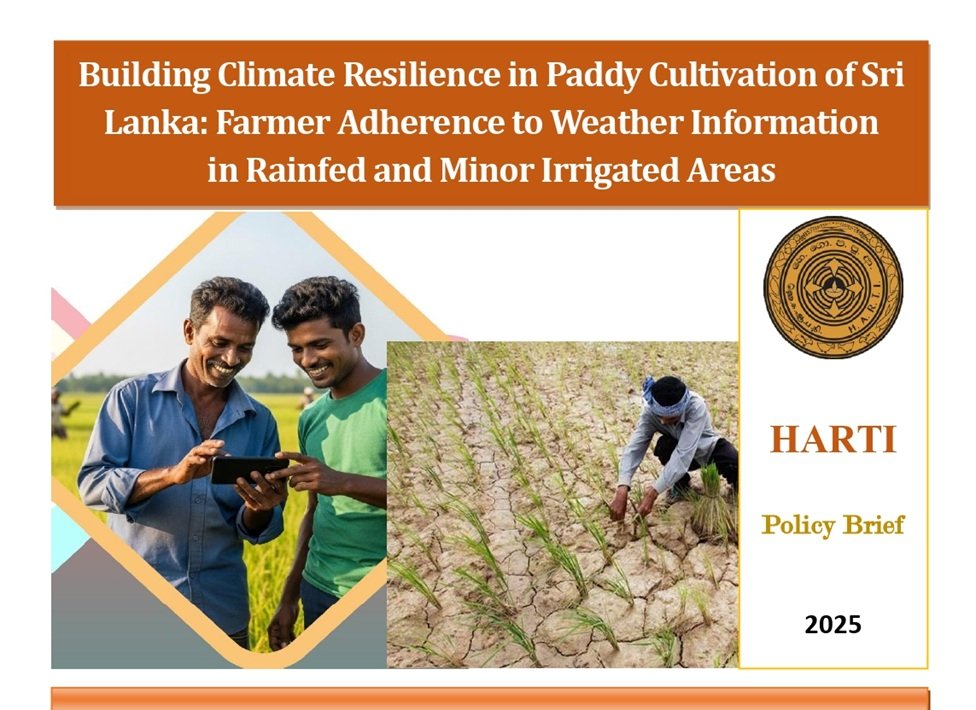
Building Climate Resilience in Paddy Cultivation of Sri Lanka: Farmer Adherence to Weather Information in Rainfed and Minor Irrigated Areas
Background Climate variability plays a major role in shaping agricultural productivity, rural livelihoods and economic outcomes at local, regional and national levels. Farmers regularly confront the challenge of making management decisions under uncertain conditions. In Sri Lanka, agriculture is particularly vulnerable to climate shocks and shifting weather patterns, often experiencing more severe impacts than many other nations. Farmers face the …
Continue Reading
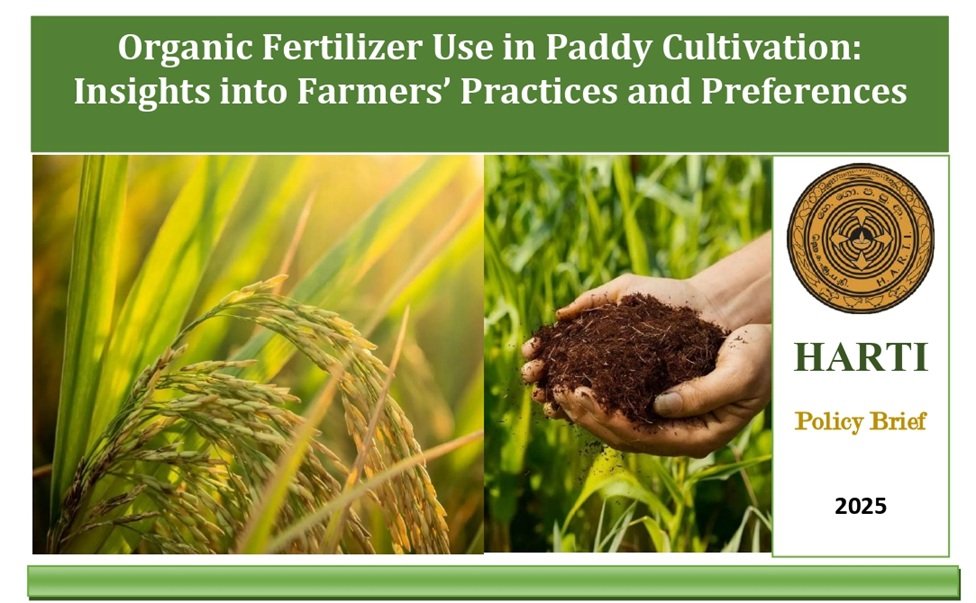
Organic Fertilizer Use in Paddy Cultivation: Insights into Farmers’ Practices and Preferences
-
Editor
-
March 15, 2026
-
Health, News
-
Health
-
0 Comments
Background Rice is the staple food of the Sri Lankan population and remains the country’s most important agricultural crop, occupying the largest share of the total cultivated land. For decades, conventional paddy farming systems in Sri Lanka have depended heavily on chemical fertilizers to achieve higher yields and meet growing food demand. Although this approach has contributed to increased production, …
Continue Reading
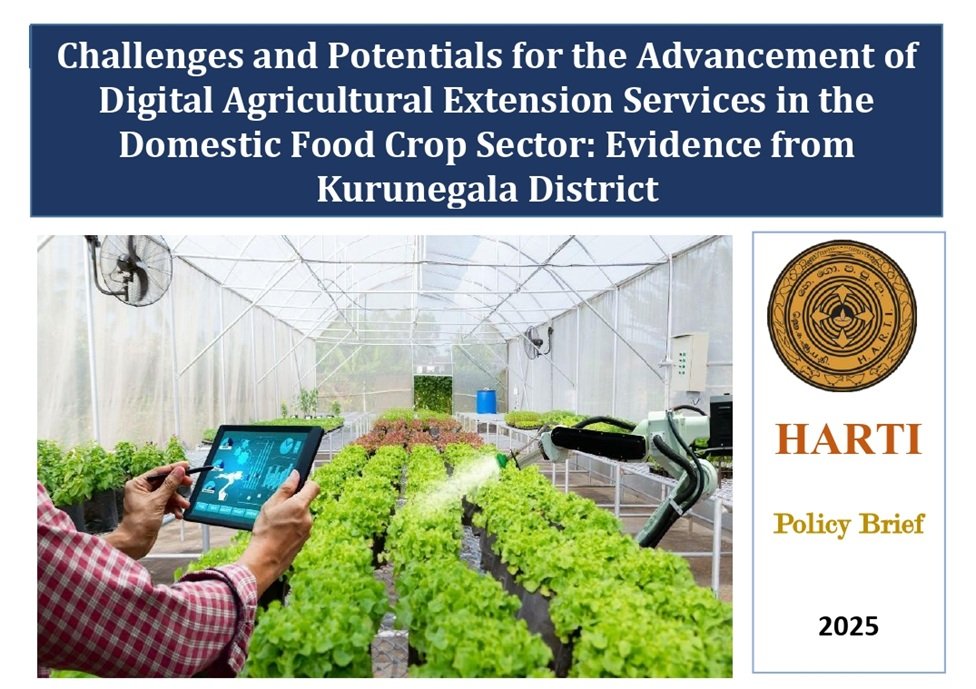
Challenges and Potentials for the Advancement of Digital Agricultural Extension Services in the Domestic Food Crop Sector: Evidence from Kurunegala District
-
Editor
-
March 15, 2026
-
News, Technology
-
Technology
-
0 Comments
Background At present, agricultural extension services in the domestic food crop sector face numerous challenges that hinder the realization of their intended benefits. Consequently, digital agricultural extension services have emerged in recent years as an innovation that can transform extension into a more efficient and effective service, capable of addressing farmers’ needs with lower operational costs to the government. A …
Continue Reading
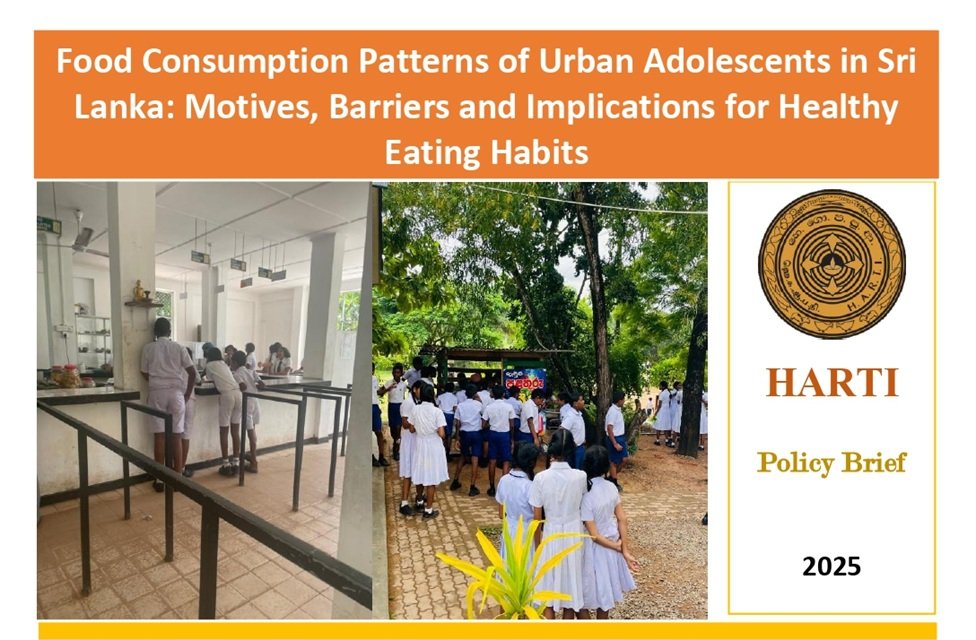
Food Consumption Patterns of Urban Adolescents in Sri Lanka: Motives, Barriers and Implications for Healthy Eating Habits
-
Editor
-
March 15, 2026
-
Health, News
-
news
-
0 Comments
Background Adolescence is a critical stage of life marked by rapid physical, psychological, and emotional development, during which adequate nutrition plays a vital role. In both developed and developing countries, adolescents’ dietary patterns have increasingly shifted away from traditional foods toward a higher consumption of processed foods that are rich in sugar, fat, and salt. Evidence shows that these dietary …
Continue Reading